The Quiet Power of Senior Living with Greenery
Why Green Spaces Matter More Than We Think
When families start looking into assisted living for a loved one, the conversation usually centers on safety, medical support, and the level of personal care offered. Those things are essential, no question. But there is another factor that often gets overlooked until you walk onto a community and feel it for yourself: the quality of the outdoor space. At places like Magnolia Gardens in Venice, the connection between the environment and a resident's well-being is taken seriously. It is not just about having a bench outside. It is about how thoughtfully designed green spaces can change the daily experience of someone living there.
I have spent years working with older adults and their families, and I have seen the difference firsthand. A community that invests in its landscape is usually one that also invests in the small, human details of daily life. The phrase "senior living with greenery" might sound like a marketing tagline at first, but when you see a resident watering a potted plant on a shaded patio or watching butterflies move through a courtyard, it becomes clear that this is something deeper. It is about restoring a sense of connection to the natural world, which can fade when someone moves from a private home into a shared setting.
What Good Green Design Looks Like in Practice
The best examples of senior living with greenery are not accidental. They are planned with intention. At a well-designed community, you will find courtyard gardens that are enclosed enough to feel safe yet open enough to catch a breeze. Walking paths connect different parts of the property, allowing residents to move at their own pace without feeling trapped indoors. Shade trees are placed not just for beauty but for function, offering relief from the Florida sun during the hottest part of the day. These are not luxuries. They are practical tools for improving quality of life.
One of the most thoughtful features I have encountered is the sensory garden. These gardens are planted with a mix of textures, scents, and colors specifically chosen to engage residents who may have memory loss or limited mobility. Lavender, rosemary, and mint offer familiar smells. Ornamental grasses provide something soft to touch. Bright flowers like lantana and pentas attract butterflies and hummingbirds, turning a quiet afternoon into a living show. For a person living with dementia, these small interactions can spark recognition and calm in ways that words sometimes cannot.
Healing Gardens and Therapeutic Horticulture
The idea of a healing garden is not new, but it has gained real momentum in senior care over the past decade. Research has shown that access to nature can lower blood pressure, reduce stress hormones, and improve mood. That is where therapeutic horticulture comes in. It is a structured practice where residents participate in planting, watering, pruning, or simply observing plants. Some communities, including those in Venice that focus on memory care, have started integrating these programs into their weekly schedules. The results are often remarkable.
I remember visiting a community that had a small butterfly garden just outside the memory care wing. The residents would walk out after lunch, and the caregivers would point out which butterflies had arrived that day. It gave everyone a reason to talk, to share a memory, or just to sit quietly and watch. For someone who struggles with verbal communication, the presence of a bird feeder or a blooming flower can become a bridge to the outside world. That is the quiet power of thoughtful design.
Florida-Friendly Landscaping and Native Plants
There is also a practical side to all of this. In Florida, maintaining a lush green landscape year-round is not always easy. The heat, humidity, and periodic droughts mean that a community has to be smart about what it plants. Florida-friendly landscaping uses native plants that are adapted to the local climate. These species require less water, fewer chemicals, and less maintenance than exotic ornamentals. That is good for the environment and for the budget, but it also means the landscape stays vibrant even during dry spells.
Native plants like coontie, firebush, and muhly grass are not just hardy. They also support local wildlife. When a community plants these species, it invites birds, bees, and butterflies into the space. Residents who enjoy bird-watching or just sitting outdoors benefit from the activity these plants attract. It creates a living ecosystem right outside the window. For someone who used to garden at home, seeing a familiar native plant can be a comforting link to the past.
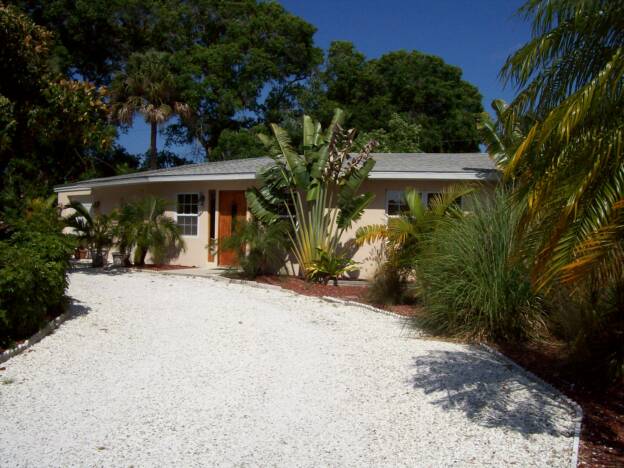
Community Gardening and Shared Spaces
Another trend I have watched grow is community gardening within senior living settings. Raised beds are placed at waist height so residents in wheelchairs or with limited mobility can participate without bending. They grow tomatoes, peppers, herbs, and flowers. The harvest might end up in the kitchen or be shared among families during visits. This kind of activity builds a sense of purpose. It is not just busywork. It is real engagement with the environment.
Outdoor seating areas also play a key role. A well-placed bench under a shade tree can become a favorite spot for reading, chatting with neighbors, or simply watching the day pass. These spaces need to be designed with comfort in mind. Good seating, a breeze, and a view of the garden make all the difference. When families visit, they often gravitate toward these areas. It feels less like a facility and more like a home.
What to Look for When Visiting
If you are evaluating an assisted living or memory care community, I recommend spending time in the outdoor spaces. Walk the paths. Sit on the benches. Notice whether the gardens are maintained or neglected. Are there bird feeders? Can you see residents using the courtyard? A community that takes pride in its landscape is usually one that takes pride in its care. The phrase "senior living with greenery" is not just about aesthetics. It is about creating an environment where people can thrive.
At Magnolia Gardens in Venice, the approach reflects this understanding. The grounds include butterfly gardens, sensory plantings, and shaded walking paths. Residents can enjoy the outdoors safely, and families often comment on how peaceful the setting feels. That peace is not accidental. It comes from careful planning and a recognition that the natural world has a role to play in supporting health and happiness.
Whether it is a brief respite stay or a long-term move, the environment matters. Green spaces, when done right, offer something that medication and therapy cannot replace. They offer a sense of life continuing, of growth and beauty and change. For the families I have worked with, that has often been the detail that turns a good community into a great one.